The Wisdom of White Crystals
Explore the purity, mineral richness, and health benefits of natural salts vs processed options.
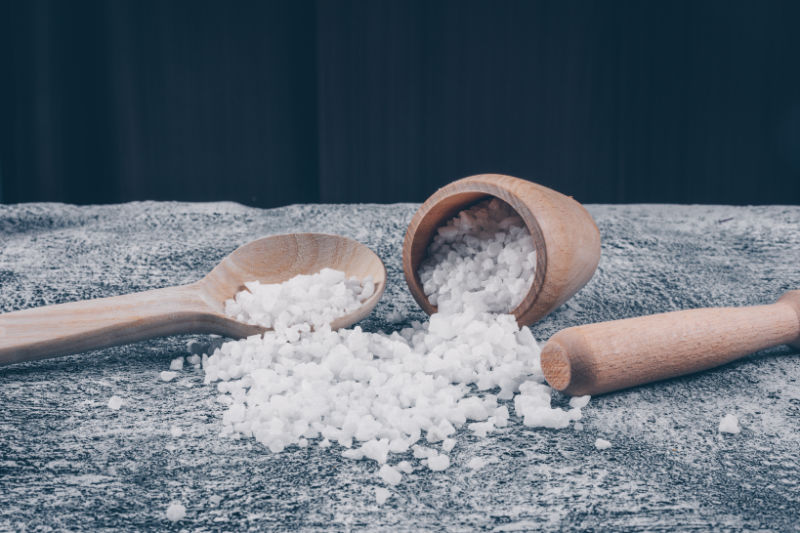
🌊 1. Sea Salt (Natural & Unprocessed)
Obtained by evaporating sea water. Unless refined, it contains trace minerals like magnesium, potassium, and calcium.
Advantage
Retains its minerals as it undergoes less processing.
Caution
Due to microplastic pollution risk, choose brands sourced from reliable and clean sources.
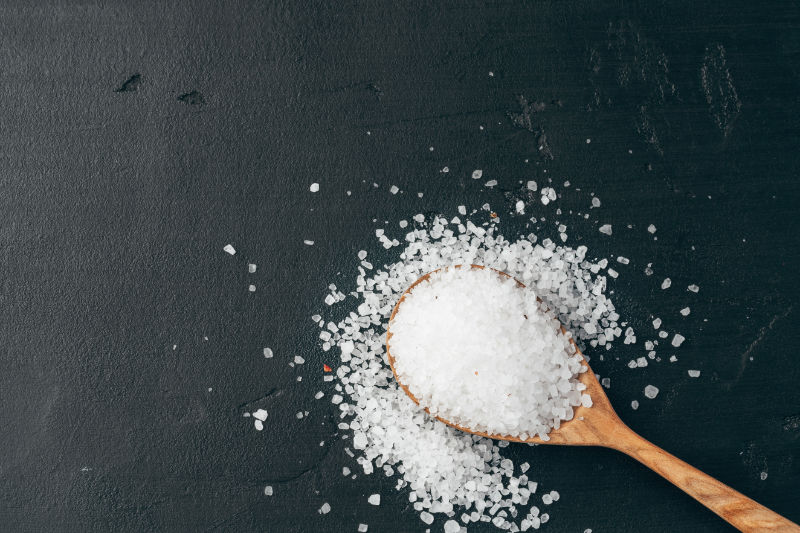
🏔️ 2. Çankırı or Rock Salt
Pure salts from underground salt caves, remaining from millions of years ago. In Turkey, especially Çankırı Rock Salt is considered one of the world's highest quality salts.
Advantage
Has a pure structure free of heavy metals, not exposed to environmental pollution.
Feature
Contains most of the 84 minerals the body needs in their natural balance.
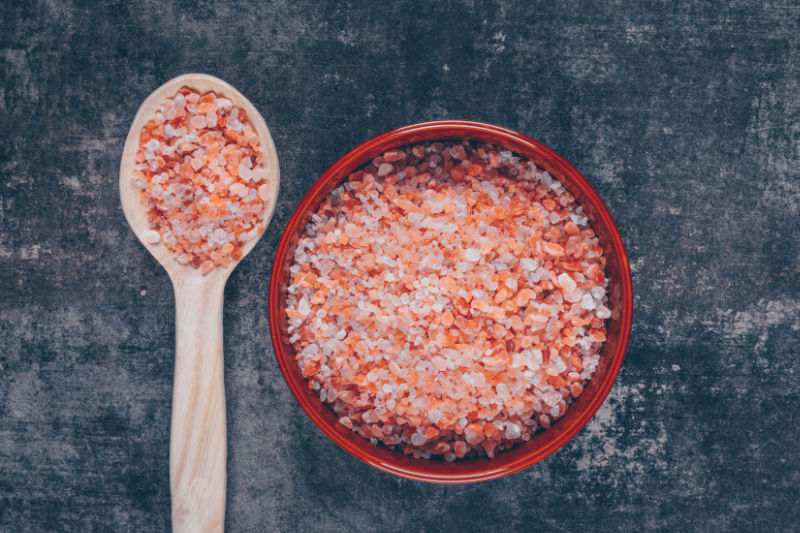
🧂 3. Himalayan Pink Salt
Extracted from salt mines in Pakistan, this salt gets its characteristic pink color from the iron oxide it contains.
Advantage
Sodium content may be slightly lower than other salts, and it is rich in mineral diversity.
Usage
Popular in cooking and skincare processes like peeling, rather than just table use.
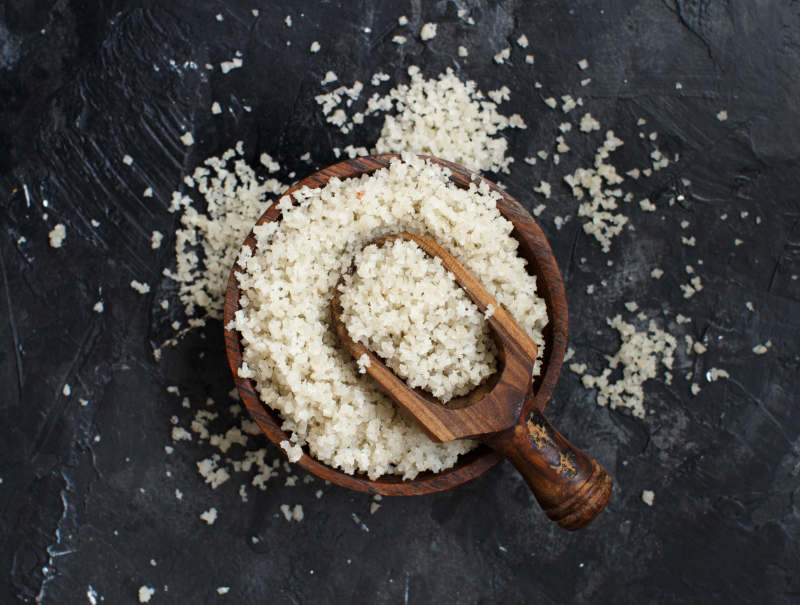
🌬️ 4. Celtic Sea Salt
Obtained by traditional methods on the coasts of France, drying with the help of sun and wind. Known for its greyish color and slightly moist structure.
Advantage
Sodium content is low, while magnesium content is quite high. It is considered very successful in maintaining electrolyte balance in the body.
Critical Points to Know When Consuming Salt
Salt Type: Table Salt
Refined, may contain anti-caking chemicals. Iodine added.
Salt Type: Natural Salts
Do not contain additives, mineral balances are closer to the body.
⚠️
Important Note
Even if healthy, excess of any salt creates pressure on blood pressure and kidney health. Especially individuals with high blood pressure sensitivity are recommended to keep daily consumption under 5 grams (approximately 1 teaspoon).